
Whether you're already a homeowner or planning to buy, home prices are likely an important part of your decision. But understanding what's actually happening in today's market can be challenging, especially when the headlines seem to contradict each other.
One report says prices are dropping, while another claims they're continuing to rise.
So, which is it? The answer depends largely on where you live.
What’s Really Going on with Asking Prices
Some of the confusion surrounding home prices comes from the way headlines report changes in asking prices without explaining the full picture. While many reports focus on declining list prices, they often leave out the role seasonal trends play in those changes. Here's what you need to know.
There are currently more homes on the market than at any point since November 2019. At the same time, mortgage rates have climbed since spring, and homes are taking a little longer to sell. In these conditions, sellers may need to set a more competitive asking price to attract buyers and secure a sale.
According to HousingWire Data, the median asking price fell from $449,000 in early August to $435,000 just two months later (see graph below):
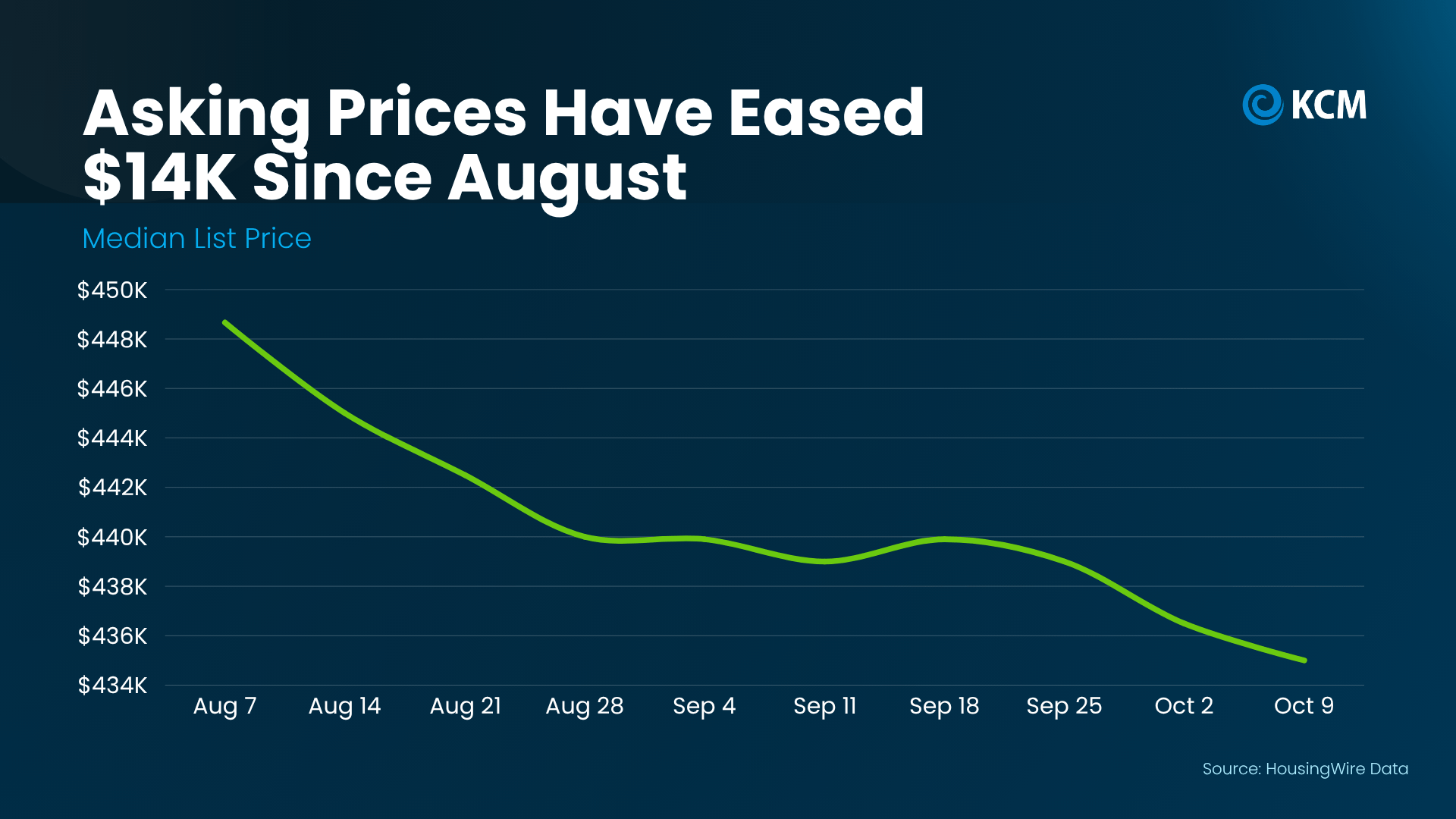
That's a decline of roughly 3%, but much of that change follows a typical seasonal pattern.
As summer ends and fall begins, asking prices often ease as the market shifts into a slower season. With fewer buyers actively searching, sellers may adjust their prices to stay competitive. Today's mortgage rates also influence pricing, as sellers account for what buyers can realistically afford. Ultimately, pricing a home appropriately can help attract interest and move a sale forward.
It's important to remember, though, that these figures reflect national asking prices, not the actual sale prices of homes in your neighborhood. Before drawing conclusions from a headline, talk with a local real estate agent who can explain what's happening in your specific market.
Where You Live Changes Everything
Realtor.com puts it this way:
“While national headlines might suggest a buyer’s market is taking hold, the reality on the ground depends heavily on where and what you’re trying to buy. Local trends can diverge sharply from national averages, especially when you factor in price range, property type, and post-pandemic market dynamics.”
The latest data from the S&P Cotality Case-Shiller Index reinforces that point. Over the past year, home sale prices in Chicago climbed by nearly 7%, while Seattle saw prices decline by about 1.6%. That's a difference of almost 9 percentage points between two major U.S. cities (see graph below):
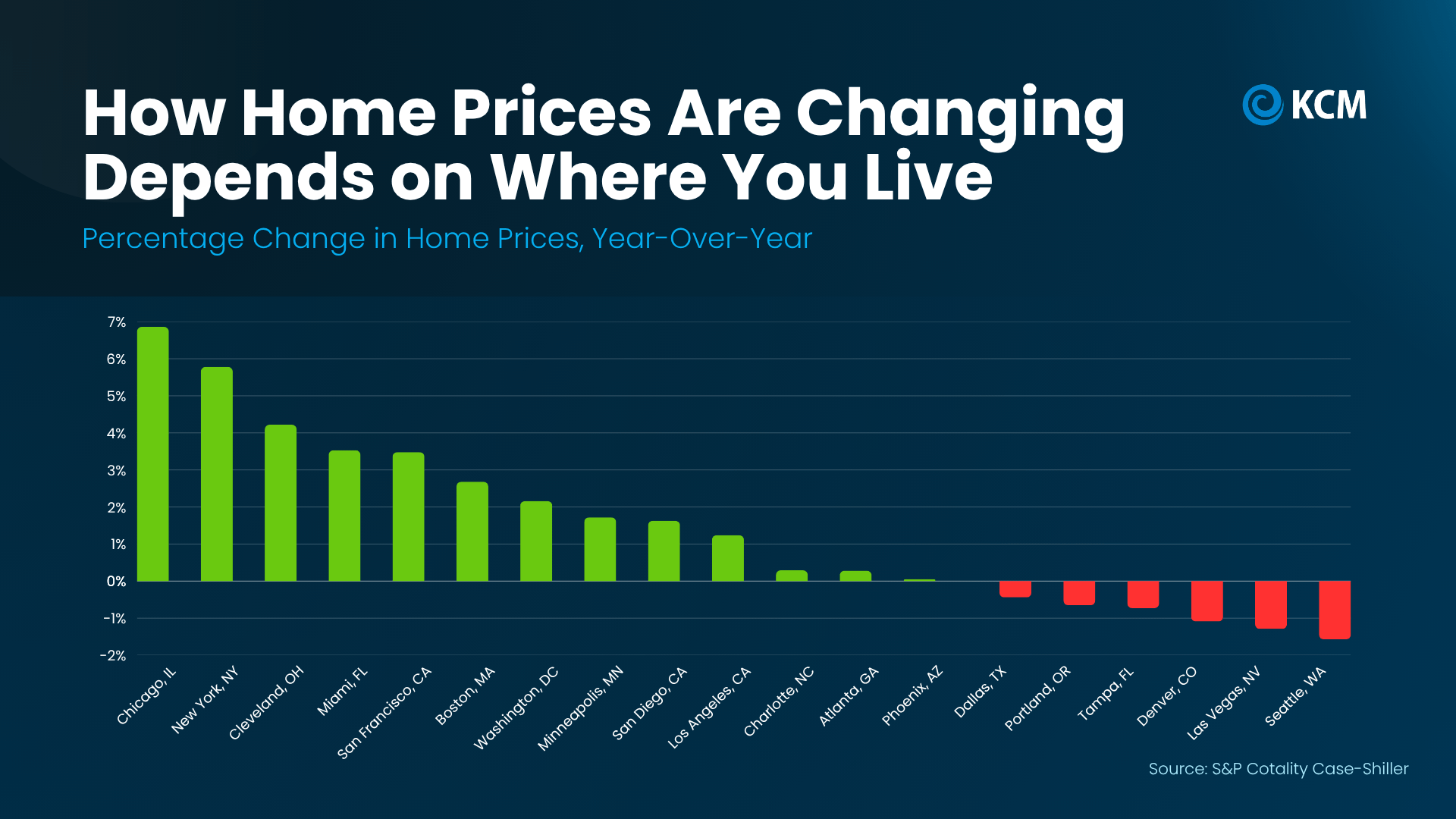
These differences can have a real impact on your real estate strategy. If you're selling in a market like New York, where prices have climbed nearly 6%, you may have less reason to reduce your asking price. But if you're buying in Denver or Las Vegas, current conditions could give you more opportunities to negotiate.
Why You Don’t Need To Worry About a Crash
If you're noticing modest price declines in some markets and wondering whether they signal a larger housing crash, it's worth looking at the bigger picture. Even in major metro areas where prices have fallen, the declines are 2% or less, nowhere near the scale of the 2008 housing crisis. And as the graph above shows, more cities are still experiencing price growth than declines.
Looking at the long-term trend offers additional perspective. Historically, home values have generally increased over time. The Federal Housing Finance Agency (FHFA) reports that national home prices have posted year-over-year growth every quarter since 2012. Looking further back, FHFA data shows that a home purchased for $100,000 in 1991 would be worth approximately $436,000 today, even accounting for the 2008 housing crash (see graph below):
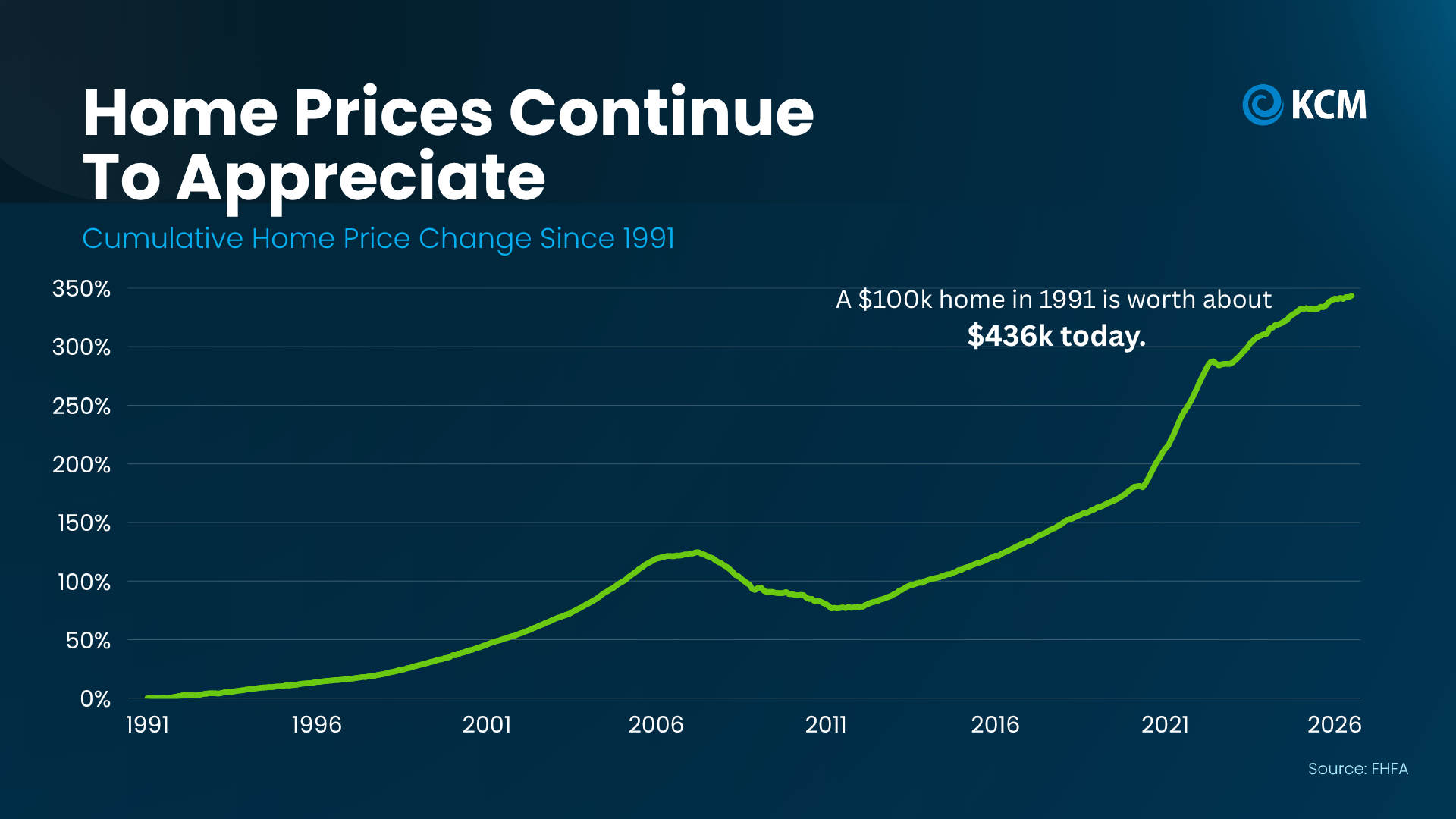
The modest declines we're seeing today may prove to be temporary, particularly in markets that experienced unusually rapid price growth during the pandemic. Overall, the housing market is gradually moving toward more typical conditions, where home prices have historically tended to appreciate over the long term.
Bottom Line
National headlines can't tell you exactly what your home is worth or how much negotiating room you have in your local market. That's where local data makes all the difference.
If you're planning to buy or sell, reach out to Holly & Chris. We'll help you understand current price trends in your area so you can price your home strategically or make an informed offer with confidence.