Fall is Santa Ana season, and the first 100 feet around your home is the most important wildfire protection you control. For homeowners in Calabasas, Malibu, Topanga, Agoura Hills, Woodland Hills and the hillside Valley neighborhoods, a little work now can make a real difference when the winds pick up.
Wildfire research consistently shows that many homes are lost not to a wall of flame, but to wind-blown embers that land on something flammable next to the house. Defensible space is simply the buffer you create between your home and anything that can burn. It slows a fire down, keeps embers from finding fuel, and gives firefighters a safer place to work.
Here is what every homeowner in our area should know heading into this fire season.
The three zones around your home
California divides defensible space into three zones, measured outward from your home, deck and any attached structures.
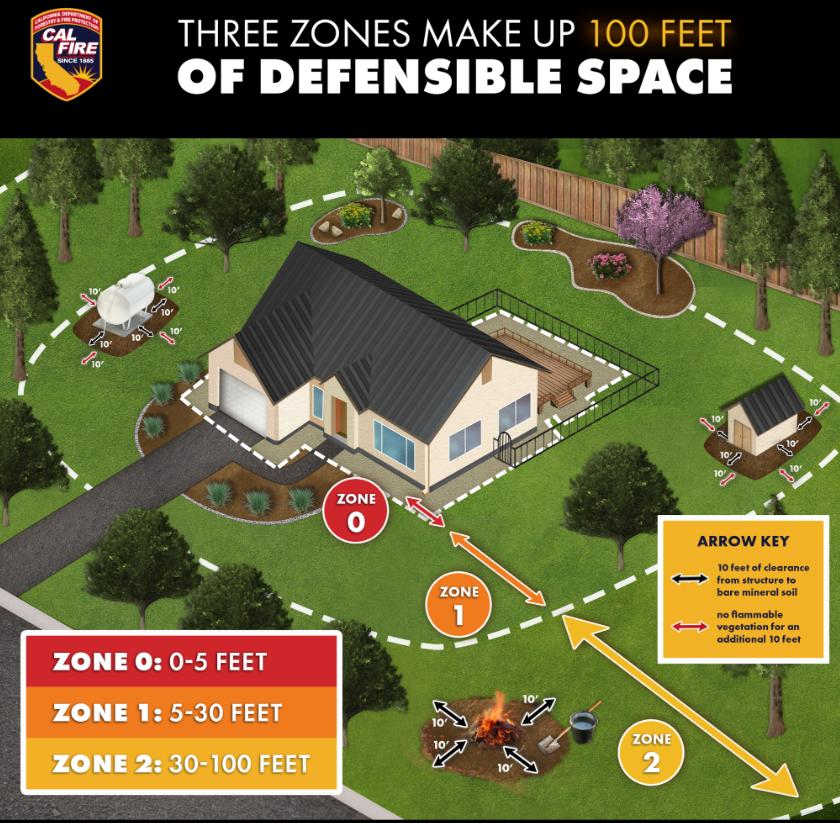
On hillside and canyon lots, which describes many homes in our area, fire moves faster uphill, so extra spacing on the downhill side of your property goes a long way.
What's new in 2026: Zone 0 is coming
On August 19, 2026, the California Board of Forestry and Fire Protection adopted the state's first Zone 0 regulations, covering the first five feet around a home. The rules still had to clear review by the state Office of Administrative Law before taking effect, so check the current status before you plan around a specific deadline.
What homeowners should know:
Who it applies to: homes in State Responsibility Areas and in Very High Fire Hazard Severity Zones within local jurisdictions. Many properties in Calabasas, Malibu, Topanga and the Santa Monica Mountains fall into these areas; you can check your address on CAL FIRE's Fire Hazard Severity Zone map.
- New construction: must comply as soon as the rules take effect.
- Existing homes: get a phased timeline, with the larger projects (such as the non-combustible area under the eaves and replacing combustible gates or fencing attached to the house) spread over several years.
- What's out: firewood, dead leaves, wood chips and bark mulch within five feet of the home.
- What can stay: certain well-maintained plants and trees, as long as they meet spacing and trimming rules.
You don't need to wait for a deadline. Clearing the first five feet is one of the most effective, least expensive steps you can take today.
Your fall defensible space checklist
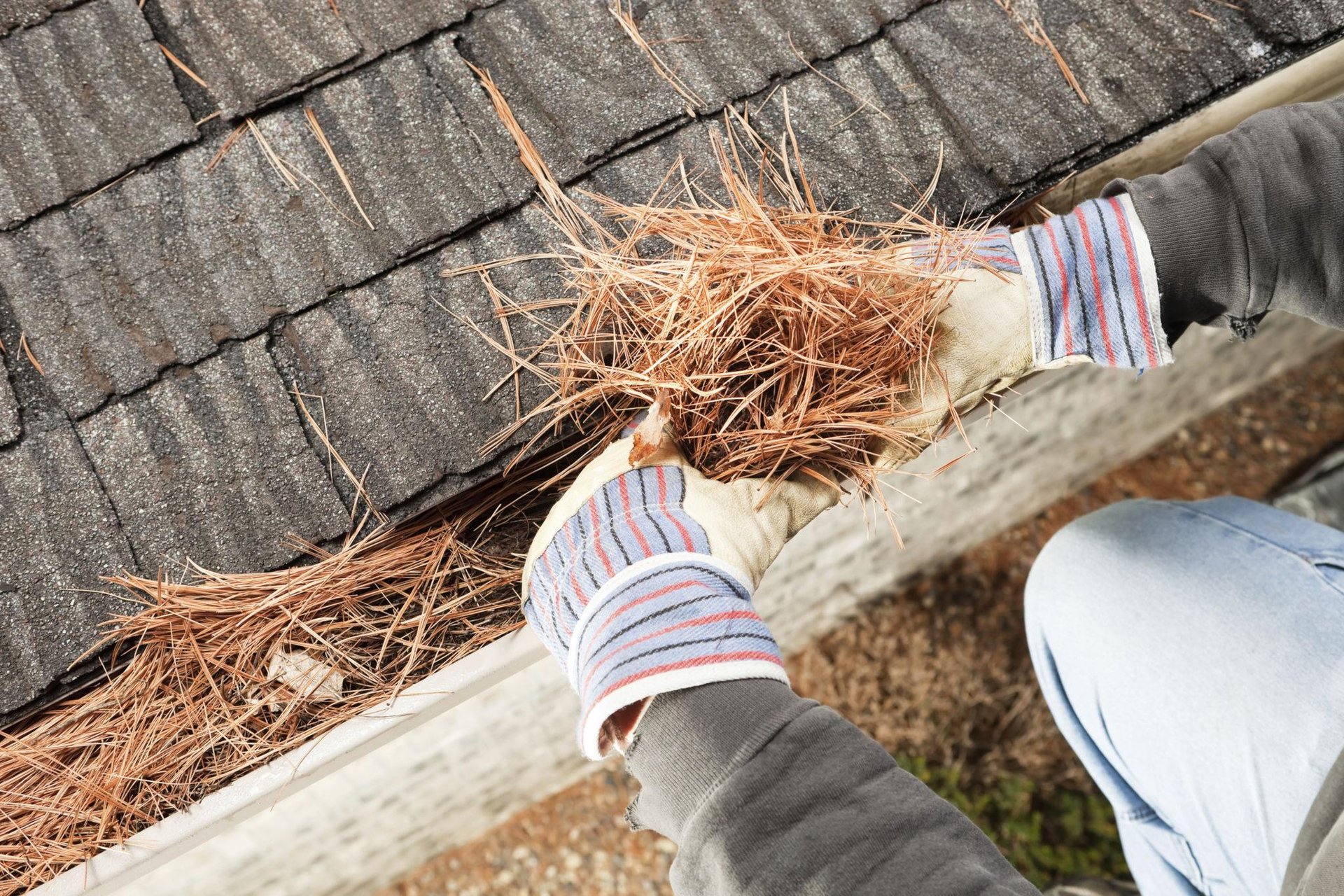
A weekend afternoon covers most of this list.
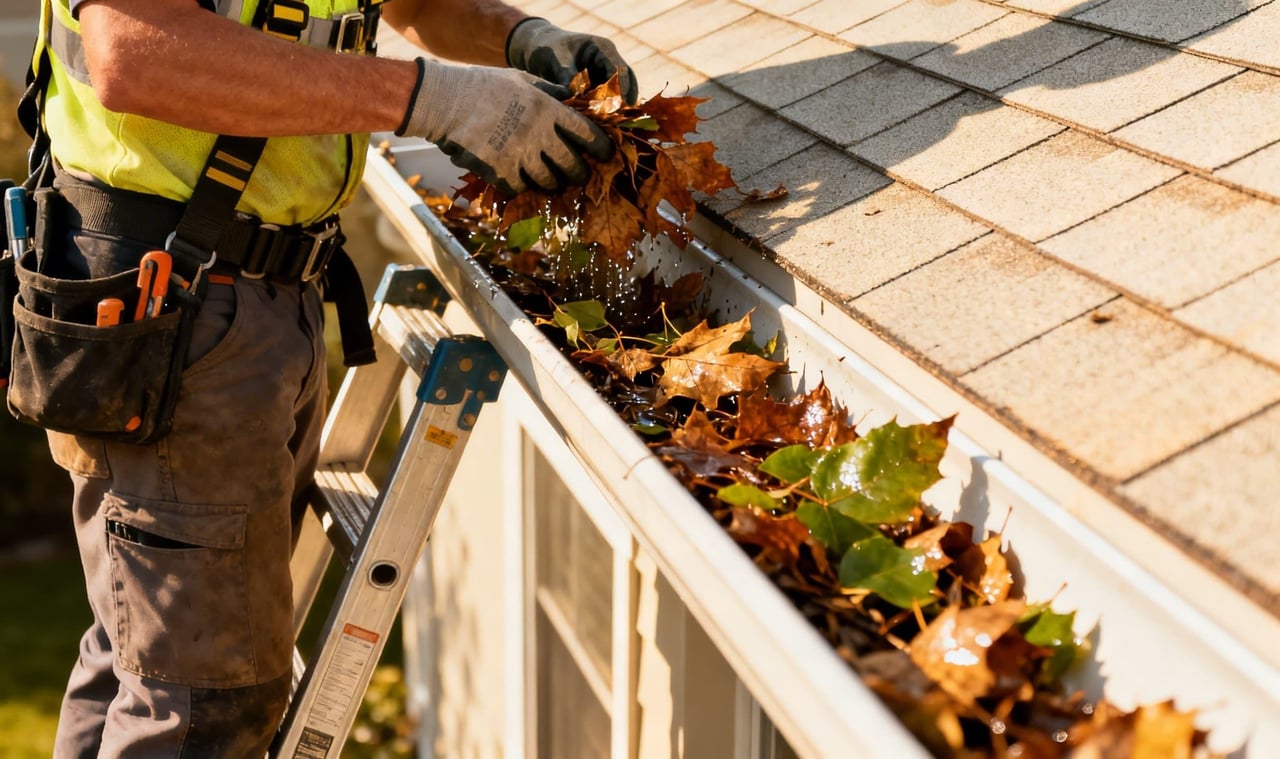
- ☐ Clear leaves, needles and debris from roofs and gutters
- ☐ Move firewood, lumber and propane tanks at least 30 feet from the house
- ☐ Replace bark mulch within five feet of the house with gravel, pavers or bare soil
- ☐ Pull wood patio furniture, cushions and doormats away from walls when Red Flag Warnings are issued
- ☐ Remove dead plants, dry grass and fallen branches within 30 feet
- ☐ Trim tree branches at least 10 feet from your chimney and away from the roof
- ☐ Check that attic and foundation vents have fine metal mesh (1/16 to 1/8 inch) to keep embers out
- ☐ Cut grass to about 4 inches out to 100 feet, or to your property line
- ☐ Make sure your house number is clearly visible from the street for emergency crews
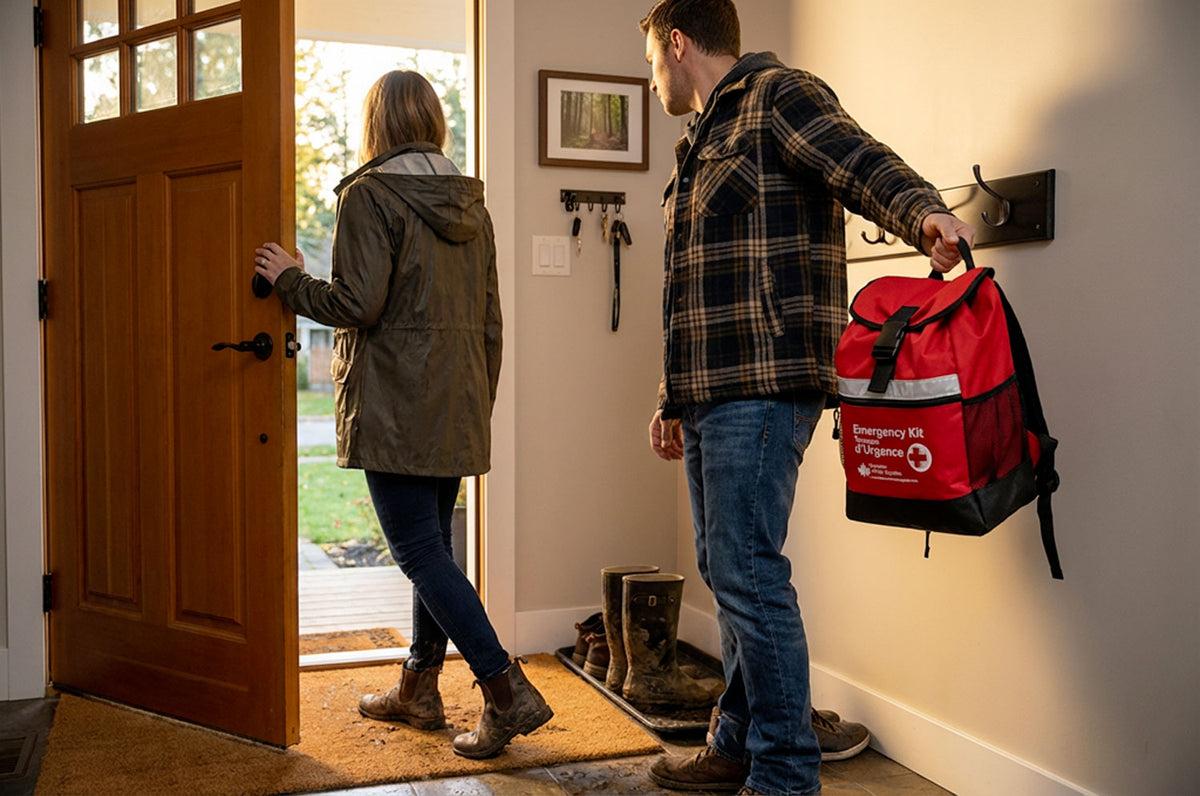
- ☐ Sign up for local emergency alerts and keep a go-bag by the door
Why it matters for insurance and resale
Defensible space protects more than the house itself. It also protects your home's value.
- Insurance: Under California's Safer from Wildfires framework, insurers are required to recognize certain home and property mitigation, including defensible space, when pricing coverage. Ask your agent which upgrades qualify for a discount and keep photos and receipts of the work.
- Resale: In fire-prone areas, buyers and their lenders ask about wildfire risk early. A well-maintained property with documented defensible space, ember-resistant vents and a clean Zone 0 is easier to insure, easier to finance and more appealing to buyers.
- Disclosures: Sellers in high and very high fire hazard areas have specific disclosure obligations, and Zone 0 compliance is likely to become part of that conversation. Getting ahead of it now avoids surprises during escrow.
If you're thinking about selling in the next year or two, defensible space is one of the smartest, lowest-cost improvements you can make before listing.
Helpful resources
- CAL FIRE: Ready for Wildfire, defensible space
- CAL FIRE: Fire Hazard Severity Zone map
- California Board of Forestry and Fire Protection
- Los Angeles County Fire Department: Ready! Set! Go!
Questions about how wildfire preparation affects your home's value, insurability or sale? Holly & Chris Luxury Homes Group | Coldwell Banker Global Luxury is here to help. Reach out anytime.
Sources