If you crave quiet mornings under oak canopies and ridgeline sunsets, yet want to dip your toes in the Pacific without a long haul, Malibu Canyon may be your sweet spot. You get space, privacy, and a mountain-to-sea rhythm that feels restorative after a busy day in the city. In this guide, you’ll learn how Malibu Canyon lives day to day, what to expect from homes and commutes, and how to navigate hazards, utilities, and permits with confidence. Let’s dive in.
What and where is Malibu Canyon
Malibu Canyon refers to the inland canyon corridors carved through the Santa Monica Mountains north of Malibu’s coastline. Homes line the primary canyon routes and side canyons that slope toward the Pacific or inland valleys. The terrain is steep and varied, which creates dramatic views and a distinct sense of place.
You sit in a transition zone between coastal Malibu and the West Valley foothills. That means you can reach beaches and the Pacific Coast Highway by car, but you are not living on the sand. Many residents treat the beach as a quick recreational outing rather than their daily backdrop.
Microclimate and seasons
The canyons have their own weather story. You can expect cooler nights, warmer inland afternoons, and a marine layer that behaves differently than it does right on PCH. Wind and fog can shift with elevation and canyon orientation.
For a deeper sense of patterns, check the National Weather Service Los Angeles region before planning outdoor time. Over a week, you may notice the range that makes Malibu Canyon feel both coastal and mountain at once.
Homes and architecture
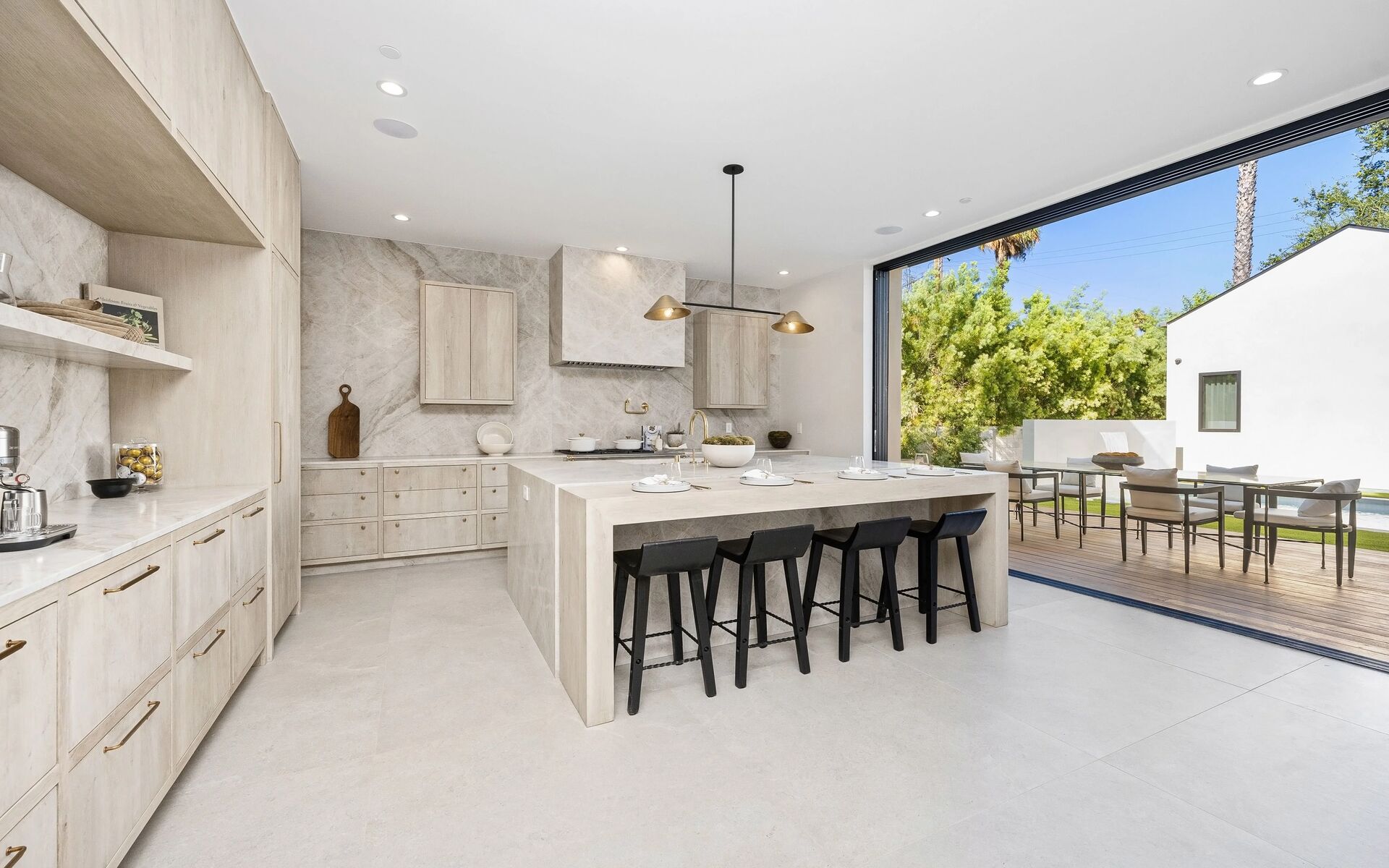
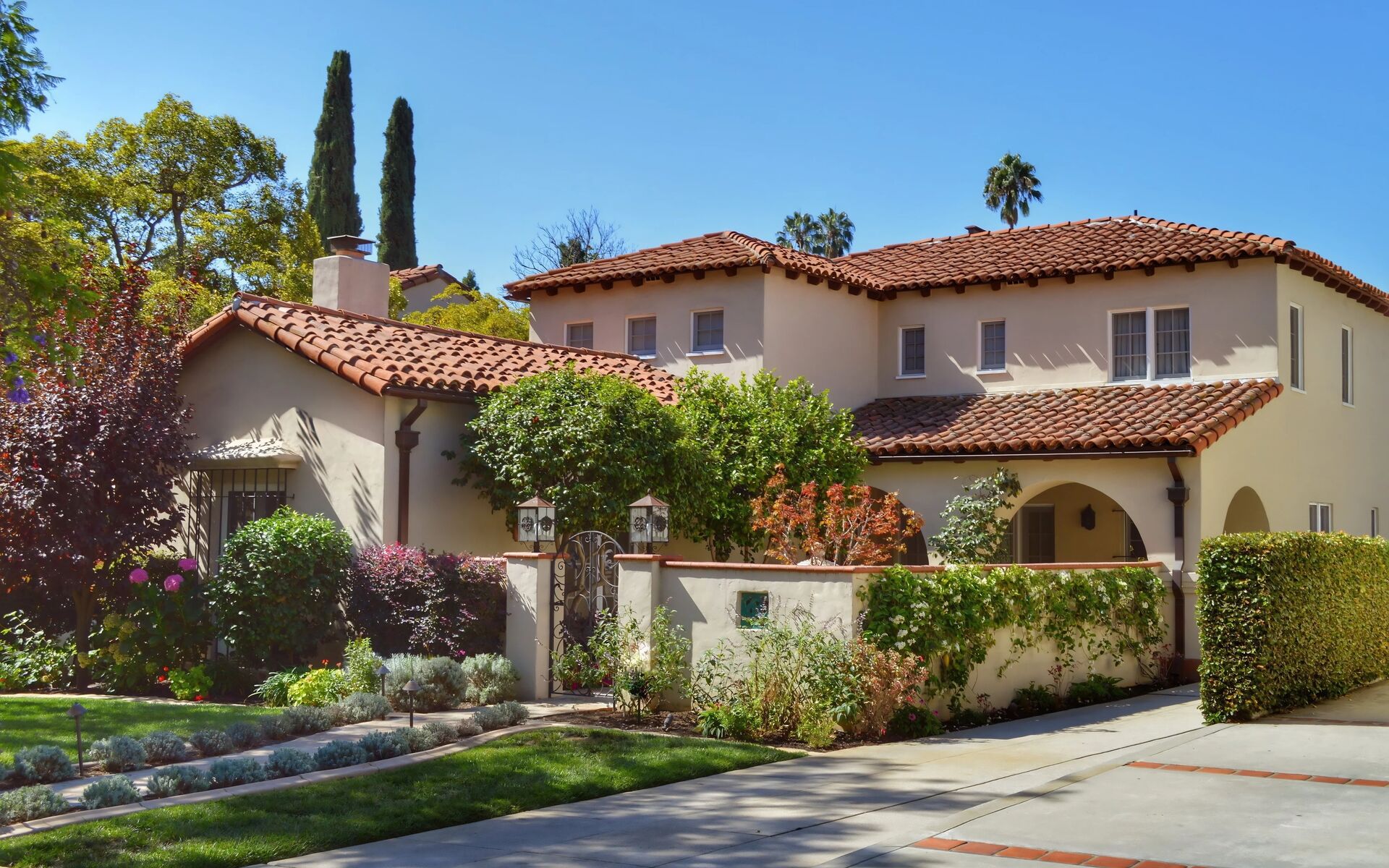
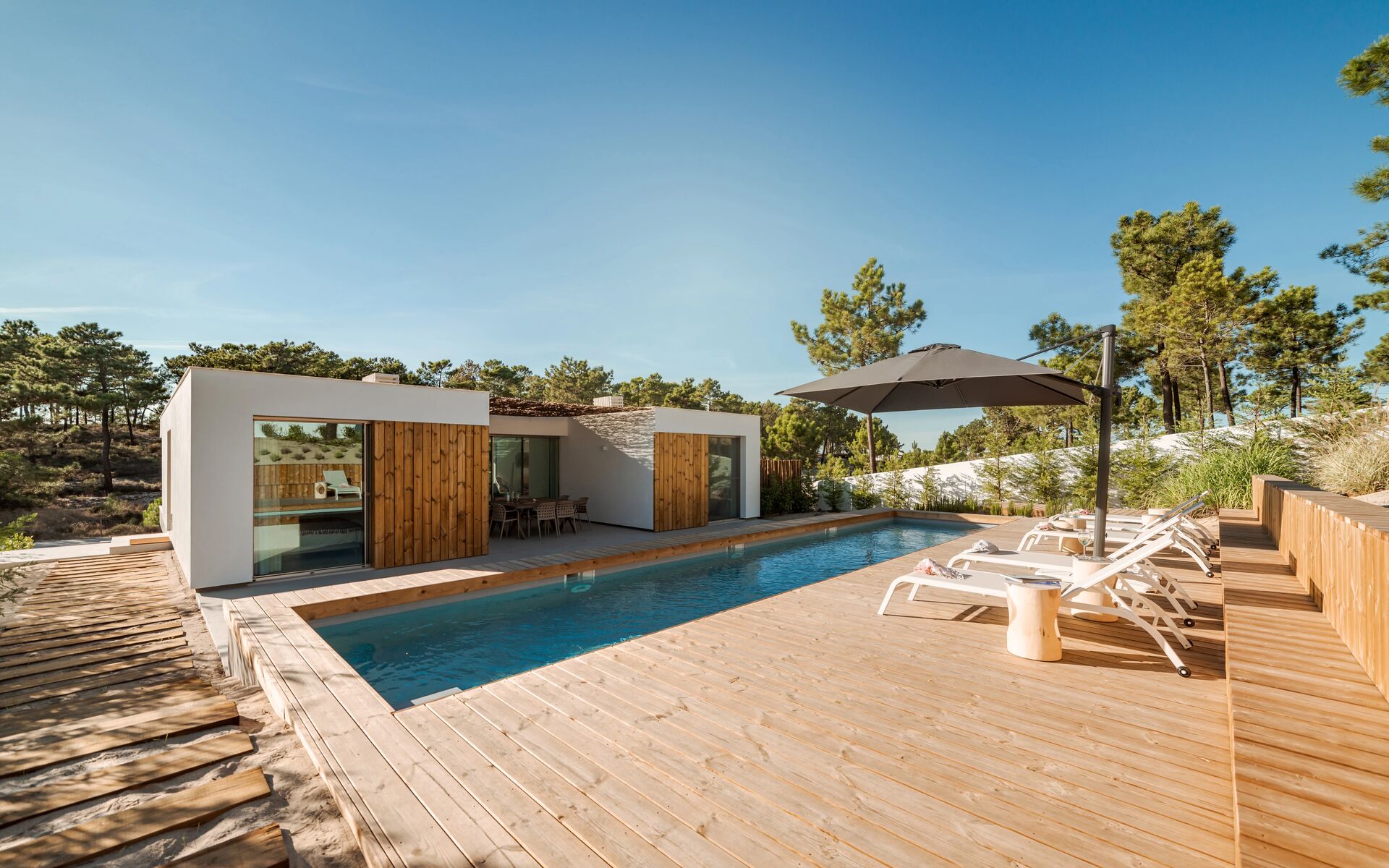
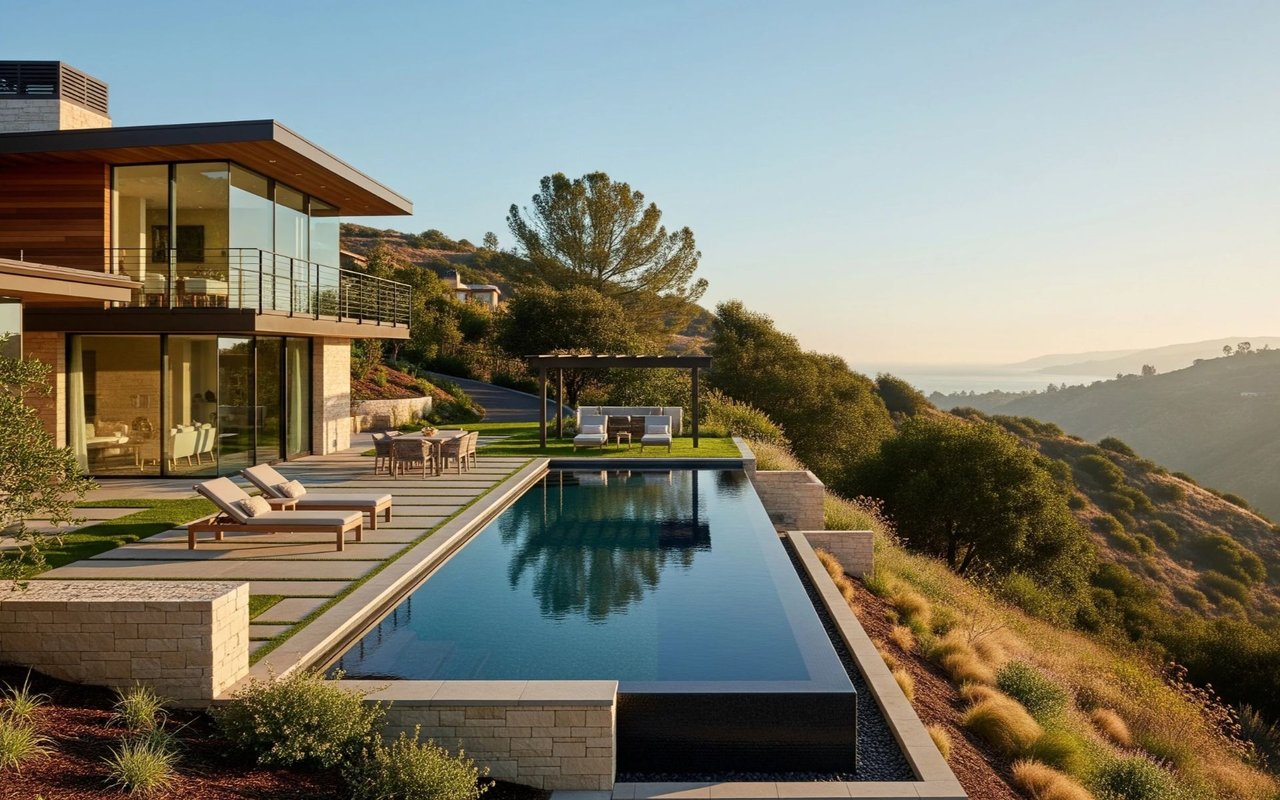
Most properties are single-family homes. You’ll find ranch-style estates, mid-century hillside designs, contemporary glass-and-steel statements, and Spanish or California-style homes. On larger parcels, some owners keep horses or create generous gardens.
Lots often run larger than many beachfront strips, ranging from half-acre settings to multiple acres. That extra land can unlock privacy, guest structures, and outdoor rooms that frame canyon or ocean-slice views. Many hillside properties see bespoke remodels, since building on a slope calls for careful design and engineering.
Malibu Canyon homes typically price below Malibu’s trophy beachfront estates and above many inland suburban options. Inventory is limited, so small changes in supply and demand can move the market. For current pricing and days on market, work with a local agent who pulls verified MLS data.
Daily life and recreation
If you love the outdoors, this is your backyard. Trailheads dot the Santa Monica Mountains, and you can plan hikes, rides, and weekend explorations using the National Park Service guide to the Santa Monica Mountains National Recreation Area.
Malibu Creek State Park is close, with hiking, mountain biking, and wildlife viewing set among volcanic rock and creek beds. Explore routes and trail maps through the California State Parks page for Malibu Creek State Park.
Coastal pleasures remain close. A short drive delivers you to Malibu’s beaches, surf spots, and seaside dining. Most residents keep flexible beach hours to avoid peak traffic and make it a daily reset or a weekend ritual.
Getting around and commuting
Malibu Canyon is a car-first lifestyle. Public transit in canyon corridors is limited, and drive times vary with route and time of day. Some residents commute to Malibu and other coastal hubs. Others head east or north to Calabasas, Woodland Hills, and greater Los Angeles.
Plan for wide ranges: short local trips can be 15 to 30 minutes, while commutes to the Westside or downtown can run 45 to 90 plus minutes, depending on traffic and timing. Check real-time conditions with Caltrans QuickMap when planning your route.
Shopping, dining, and services
Commercial pockets inside the canyons are smaller than the beachfront districts. Many residents make quick trips to the Malibu Civic Center, Calabasas, or the West Valley for groceries, specialty retail, healthcare, and larger service needs. The result is calm at home with easy access to urban convenience when you want it.
Schools and community services
School district lines in and around Malibu Canyon are complex. Depending on the exact address, a property may be served by Santa Monica–Malibu Unified, Las Virgenes Unified, or another nearby district. Always verify assignment and transfer options directly with the district’s boundary lookup tools before you decide.
Public safety and municipal services depend on jurisdiction. Some canyon neighborhoods lie within the City of Malibu, while others are in unincorporated Los Angeles County and receive county services. If you are unsure, start with the City of Malibu site for planning and services or the county departments listed below.
Safety, hazards, and insurance
Wildfire preparedness is part of canyon living. Many properties sit in high or very high fire hazard zones. Expect defensible-space rules, brush clearance requirements, and a strong focus on hardened roofs, ember-resistant vents, and other mitigation features. Review risk categories and mitigation guidance through Cal Fire’s Fire Hazard Severity Zones.
Seasonal rains can also affect slopes and drainage. Steep terrain raises the risk of erosion or instability, especially on recently graded lots or those without proper drainage. Canyon bottoms can collect runoff. Check parcel-level mapping with the FEMA Flood Map Service Center and review local guidance through the Los Angeles County Department of Public Works.
Insurance availability and pricing can vary with wildfire exposure and mitigations. Engage insurers early in your search and factor potential costs into your budget. Lenders may require specific wildfire hardening or documentation in higher-risk zones.
Utilities and infrastructure
Not every property is connected to a municipal sewer. Septic systems are common in some pockets, and they require routine inspection and maintenance. Water service may come from a municipal provider, a local district, or in rare cases a private well. Confirm the water source for each parcel as part of due diligence.
Cell and internet coverage can be variable in steep canyons. Many residents rely on wired broadband where available or fixed wireless solutions in spots that lack strong cellular signals. If reliable connectivity is essential, test providers at the property before you commit.
Building and permits
Hillside building involves extra steps. Grading permits, geotechnical studies, and slope-aware setbacks are common. If a property lies in the Coastal Zone, you may also need to follow local coastal rules along with standard county or city codes.
For parcels in unincorporated areas, start with the Los Angeles County Department of Regional Planning for zoning and permit guidance and the Los Angeles County Department of Public Works for grading and drainage. For properties within city limits, check the City of Malibu planning resources.
Is Malibu Canyon right for you?
Choose Malibu Canyon if you want space, privacy, and a strong outdoor lifestyle without beachfront crowds. It is ideal if you value trail access, larger lots, and views, and you are comfortable with a car-first routine. It may be less suited if you need guaranteed short commutes to central LA or want dense, walkable urban amenities on your doorstep.
Well-maintained homes with modern systems and clear mitigation measures tend to hold value. Upgrades that improve wildfire resilience, safe access and egress, and permitted improvements can boost confidence at resale.
Buyer checklist: what to verify
Use this quick list to make smart moves before you write an offer:
- Confirm city vs. unincorporated jurisdiction and any HOA.
- Verify the school district and assigned schools by address.
- Determine sewer vs. septic and the property’s water source.
- Review recent geotechnical reports and slope stability disclosures.
- Check wildfire classification, brush clearance status, and get insurance quotes.
- Review FEMA flood maps and local drainage history.
- Map commute windows with Caltrans QuickMap and test your likely routes.
Seller tips for stronger results
Buyers in Malibu Canyon appreciate transparency and readiness. Make sure wildfire history, brush clearance, and any mitigation upgrades are documented. If the property has septic, have inspections and permits available. Geotechnical reports and permitted remodel records build trust.
Presentation matters. Curated staging, high-quality visuals, and clear storytelling about lifestyle and access help your home stand out in a limited-inventory market. Thoughtful improvements to roofing, vents, and defensible space can also broaden insurance options for buyers.
Next steps
If Malibu Canyon’s quiet canyons and coastal access match your goals, start with a conversation about timing, commute, and property type. Then confirm address-specific details for schools, utilities, and hazards, and line up insurer quotes early. When you are ready to tour, target homes that maximize the lifestyle you want, whether that is privacy on acreage or a turnkey modern with nearby trail and beach access.
For discreet guidance and access to design-forward listings, connect with Holly & Chris Luxury Homes to schedule a private tour.
FAQs
What is Malibu Canyon, and how close is it to the beaches?
- Malibu Canyon covers inland corridors in the Santa Monica Mountains near Malibu; you drive to the coast for beach time and access varies with route and traffic.
How does the Malibu Canyon microclimate compare to the coast?
- Expect cooler nights, warmer afternoons, and a marine layer that behaves differently than on PCH; check the National Weather Service Los Angeles region for patterns.
What hazards should Malibu Canyon homeowners plan for?
- High wildfire exposure, erosion or slope issues after storms, and drainage in canyon bottoms; review Cal Fire’s hazard maps and FEMA flood maps.
What commute times are typical from Malibu Canyon?
- Short local trips can take 15 to 30 minutes, while Westside or downtown trips often take 45 to 90 minutes, depending on traffic; use Caltrans QuickMap to plan.
Which school districts serve Malibu Canyon addresses?
- Boundaries vary by exact location and may include Santa Monica–Malibu Unified or Las Virgenes Unified; confirm assignments directly with district tools before you decide.
Are septic systems common in Malibu Canyon homes?
- Yes, some areas rely on septic instead of municipal sewer; verify system type, permits, and recent inspections during due diligence.