
For many homeowners, their home is their largest financial asset. One question we hear regularly is:
"Should I put my home into a living trust?"
While every situation is unique and legal advice should always come from an estate planning attorney, understanding the basics of a living trust can help you make more informed decisions about protecting your property and planning for the future.
What Is a Living Trust?
A living trust is a legal arrangement that allows you to place assets, such as your home, into a trust while maintaining control of them during your lifetime.
Unlike a will, a living trust can help your estate avoid probate, making it easier and often faster for your beneficiaries to manage your affairs after your passing.
In California, where probate can be both time-consuming and expensive, many homeowners choose a living trust as part of their estate planning strategy.

Who Are the Parties in a Living Trust?
A typical living trust includes:
- Trustor (or Settlor): The person creating the trust and transferring property into it.
- Trustee: The individual responsible for managing the trust. Most homeowners initially serve as their own trustee.
- Successor Trustee: The person designated to step in if the original trustee can no longer serve.
- Beneficiaries: The individuals who will ultimately receive the assets held by the trust.
Does the Trust Own My Home?
Not exactly.
The trustee holds legal title to the property on behalf of the trust. The trust itself is not considered a person that owns property. Instead, ownership is reflected in the name of the trustee acting under the trust agreement.
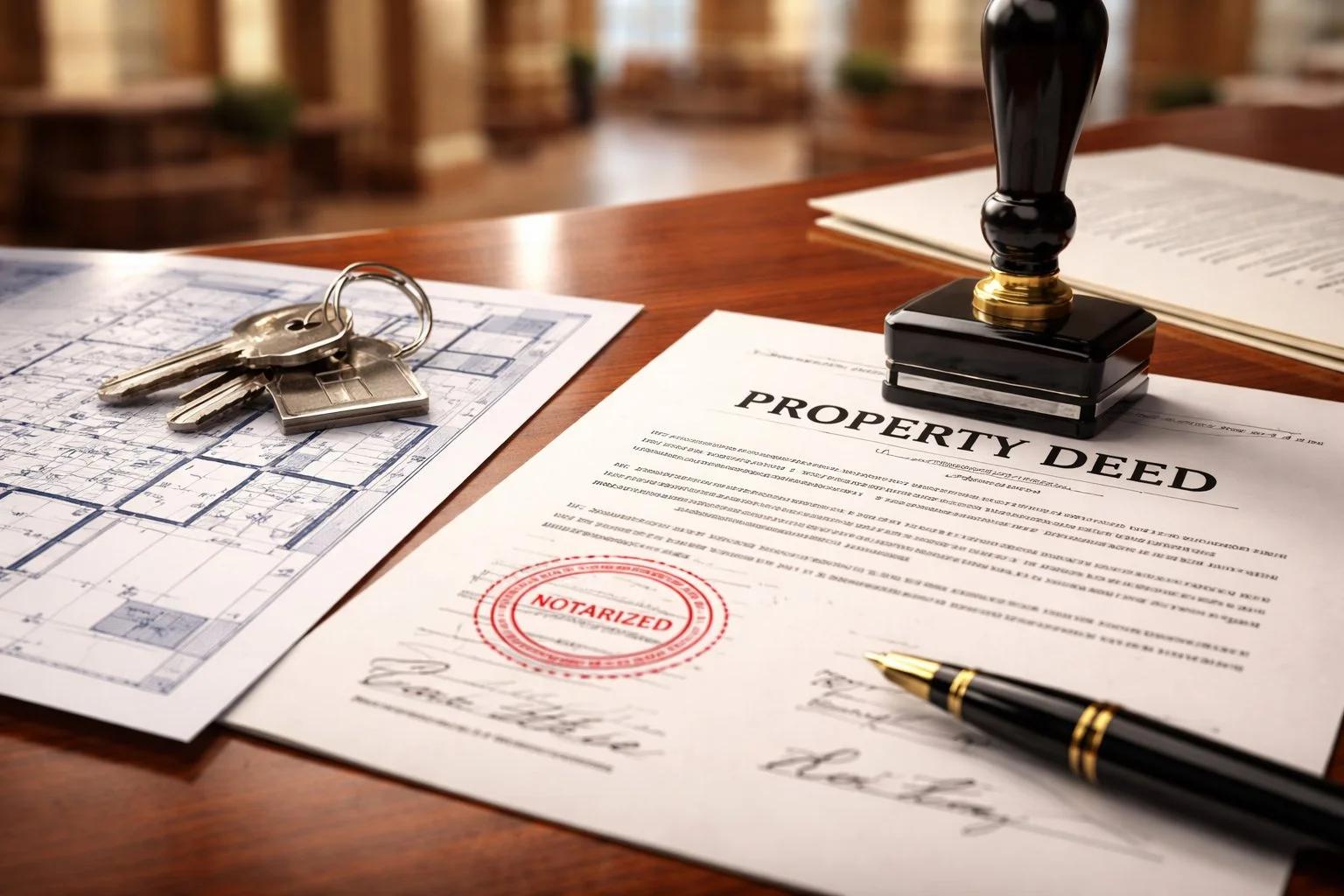
For example:
John Smith and Jane Smith, Trustees of the Smith Family Trust dated January 1, 2020.
What Are the Benefits of Holding Real Estate in a Living Trust?
Many homeowners choose a living trust because it may help:
- Avoid probate
- Provide privacy for your estate
- Simplify the transfer of property after death
- Allow a successor trustee to manage property if you become incapacitated
- Keep ownership transitions smoother for family members
Again, whether these benefits apply to your situation is something to discuss with your attorney or estate planner.
What Happens If a Trustee Passes Away?
If one of the original trustees dies, the trust agreement typically outlines who is authorized to act next.
When selling or refinancing a property held in a trust, the title company may request documents such as:
- A certified death certificate
- Affidavit of Death of Trustee
- A copy of the trust and any amendments
- Trust Certification
- Additional documentation depending on the transaction
Having these documents readily available can help prevent delays during escrow.
Can You Buy or Sell a Home Held in a Trust?
Absolutely.
In fact, many California real estate transactions involve properties held in living trusts.
From a real estate perspective, the transaction is generally very similar to any other sale, although the trustee will sign documents on behalf of the trust and additional title documentation may be required.

Working with an experienced title company and knowledgeable real estate professionals helps ensure everything moves smoothly.
Can a Trustee Borrow Against the Property?
Often, yes. But it depends.
Most trust agreements give trustees authority to borrow against trust property, but individual lenders have their own requirements regarding financing homes held in trust.
If refinancing is part of your plans, it's always wise to speak with both your lender and your estate planning attorney.
Should Everyone Put Their Home in a Living Trust?
There isn't a one-size-fits-all answer.
Some homeowners benefit greatly from a living trust, while others may find another estate planning strategy better fits their circumstances.
Factors may include:
- Your family situation
- The value of your estate
- Tax planning goals
- Privacy concerns
- Long-term asset management
- Incapacity planning
An estate planning attorney can help determine the best approach for your specific needs.
Why This Matters When Buying or Selling Real Estate
If you're buying or selling a home that's held in a trust, don't be surprised if additional documentation is required during escrow. This is completely normal and helps ensure the proper parties have authority to complete the transaction.
At Holly & Chris Luxury Homes Group, we regularly work alongside title officers, attorneys, trustees, and estate representatives to help guide these transactions from contract to closing with as little stress as possible.
Final Thoughts
Estate planning and real estate often go hand in hand. While a living trust isn't the right solution for everyone, understanding how trusts work can help homeowners make informed decisions and avoid surprises when it's time to buy, sell, or transfer property.
If you have questions about selling a home that's held in a trust, or you're wondering how the process works, we're always happy to help explain the real estate side of the transaction and connect you with trusted estate planning professionals when appropriate.
Thinking About Buying or Selling?
Whether your property is owned individually, jointly, or held in a living trust, we're here to guide you through every step of the process.
Holly & Chris Luxury Homes Group
Coldwell Banker Global Luxury
📞 Contact us today for expert guidance on buying, selling, and navigating every stage of your real estate journey.