Ask almost any homebuyer, and they’ll tell you they want to know if there’s an opportunity to get a better deal. Sellers, on the other hand, want to know if they can still get the best possible price for their home.
The interesting part is, both can be true at the same time. It all comes down to where you live.
Today's housing market isn't moving in one direction. Some areas clearly favor buyers, while others still give sellers the upper hand. And many markets fall somewhere in between. Recent Realtor.com data confirms just how different local markets can be, with major metros spread across buyer-friendly, seller-friendly, and balanced conditions.
Knowing which type of market you're actually in can make a big difference in how you approach your move, from pricing and negotiating to setting realistic expectations. Let's break down what that means for you.
One Number Tells You Who's Got Leverage
So, how can you tell which type of market you're in? One metric can give you a quick read: months of housing supply. It’s one of the clearest indicators of who has more negotiating power and how you should approach your move. Think of it this way.
Imagine no new homes came onto the market starting today. Months of supply estimates how long it would take to sell all the homes currently available based on the pace of buyer demand.
Generally speaking, here's what different levels of months' supply can tell you:
- Fewer than 4 months: Sellers typically have the upper hand, with stronger demand and less competition from other listings.
- 4 to 6 months: The market is generally more balanced, giving buyers and sellers more equal negotiating power.
- More than 6 months: Buyers usually have more leverage, with greater selection and more room to negotiate.
Right now, data from the National Association of Realtors (NAR) shows a 4.6-month supply of homes for sale, which places the national housing market back in balanced territory (see graph below). That means neither buyers nor sellers have a clear advantage overall, even though conditions can still vary quite a bit from one local market to another.
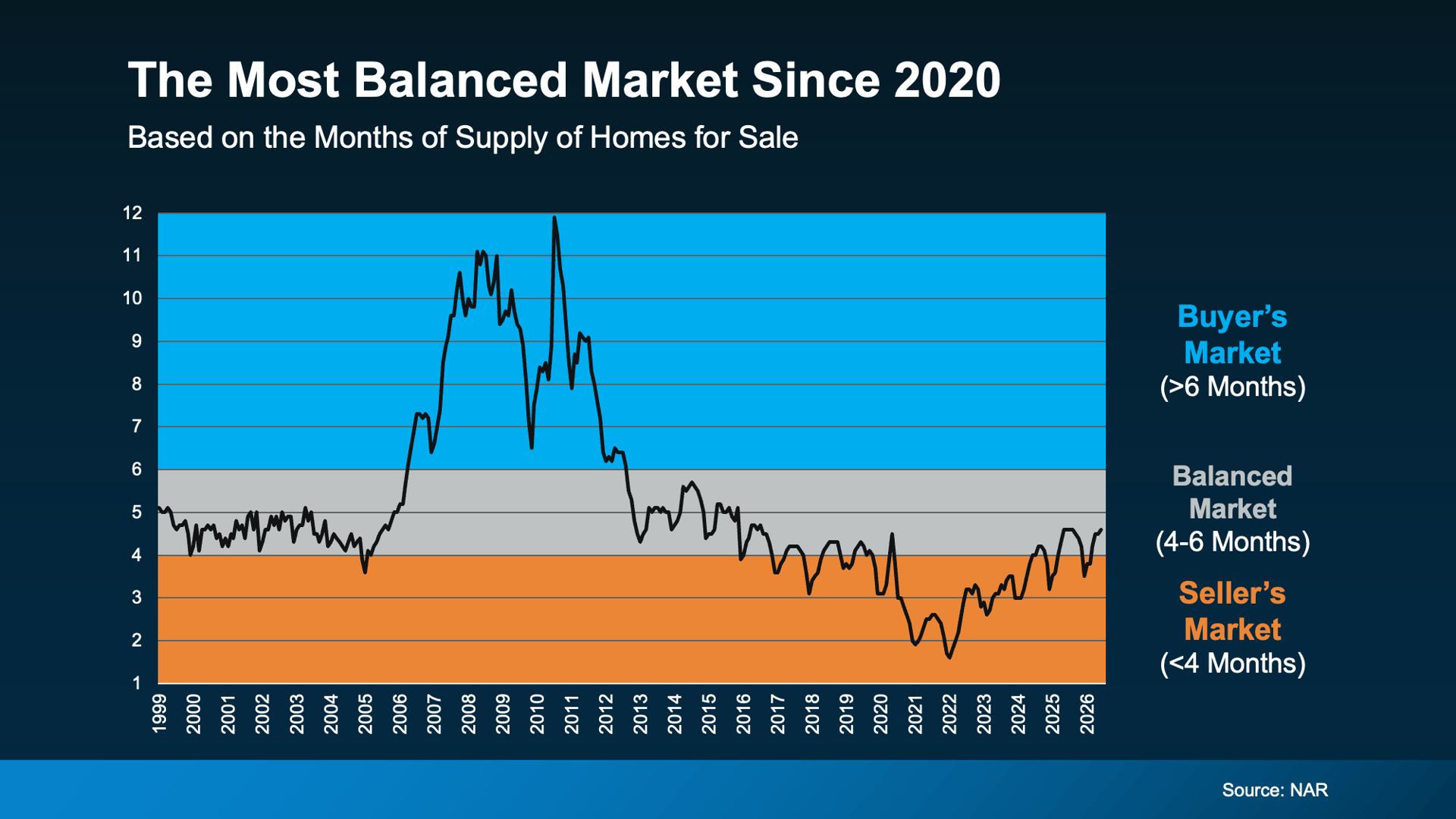
Overall, that means the housing market has moved into a much more balanced range after years of heavily favoring sellers. Even though the shift may seem modest, it can have a meaningful impact on how you should approach your move, especially in markets where buyers and sellers now have more equal footing.
The Tale of Two Markets: Why 'Balanced' Doesn't Mean the Same Thing Everywhere
Redfin data gives us a clearer picture of how these differences are playing out across the country. Its latest data shows which cities are leaning toward buyers and which still give sellers the advantage (see graph below).
- Some markets favor buyers: These areas, shown in blue, give buyers more negotiating power and room to make a deal.
- Some markets still favor sellers: Shown in orange, these areas continue to give sellers the upper hand.
- Others are more balanced: The gray areas fall somewhere in between, with neither side having a clear advantage.
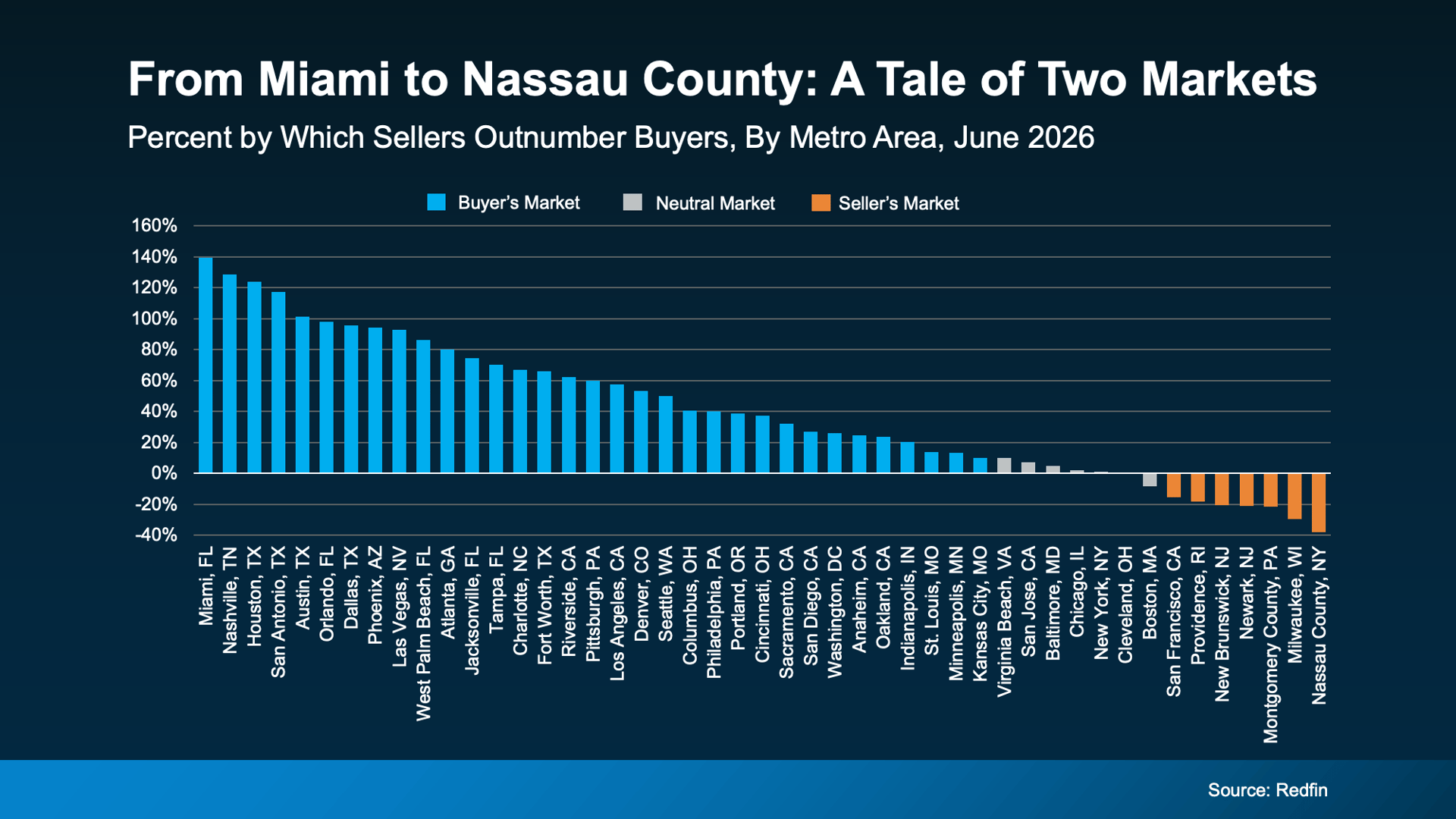
Notice the shift? More markets are moving toward buyer-friendly conditions, and according to the latest data, this is the most buyer-friendly environment we've seen in nearly six years.
But that doesn't mean buyers have the advantage everywhere.
There are still plenty of cities where sellers hold the upper hand. And if you're in one of those markets, the strategy for buying or selling can look very different from what you'd use in a buyer-friendly area.
The Biggest Mistake You Can Make Right Now
That's why the biggest mistake isn't assuming it's finally a buyer's market. And it isn't assuming sellers still have the advantage. The real mistake is making either assumption without first talking to a knowledgeable local real estate agent.
Today's housing market is incredibly local. In one area, a buyer may have the leverage to negotiate thousands of dollars in seller concessions, while homeowners may need to adjust their asking price to attract buyers.
In another market, buyers may feel pressure to submit their strongest offer or risk losing out to another bidder. Sellers there may still be benefiting from strong demand and steadily rising prices.
Same national housing market.
Very different local experiences.
What’s happening in your neighborhood can influence everything from how you price your home to how you structure an offer and negotiate repairs or concessions. That's why local expertise matters more than ever.
Your strategy should be based on the conditions where you actually live and want to buy. A knowledgeable local agent can help you understand those conditions and make the right move with confidence.
Bottom Line
This market isn't one-size-fits-all.
If you're wondering whether buyers or sellers have the upper hand in our local market, let's connect. I'll walk you through the latest numbers and help you understand which strategy can put you in the strongest position to reach your goals.